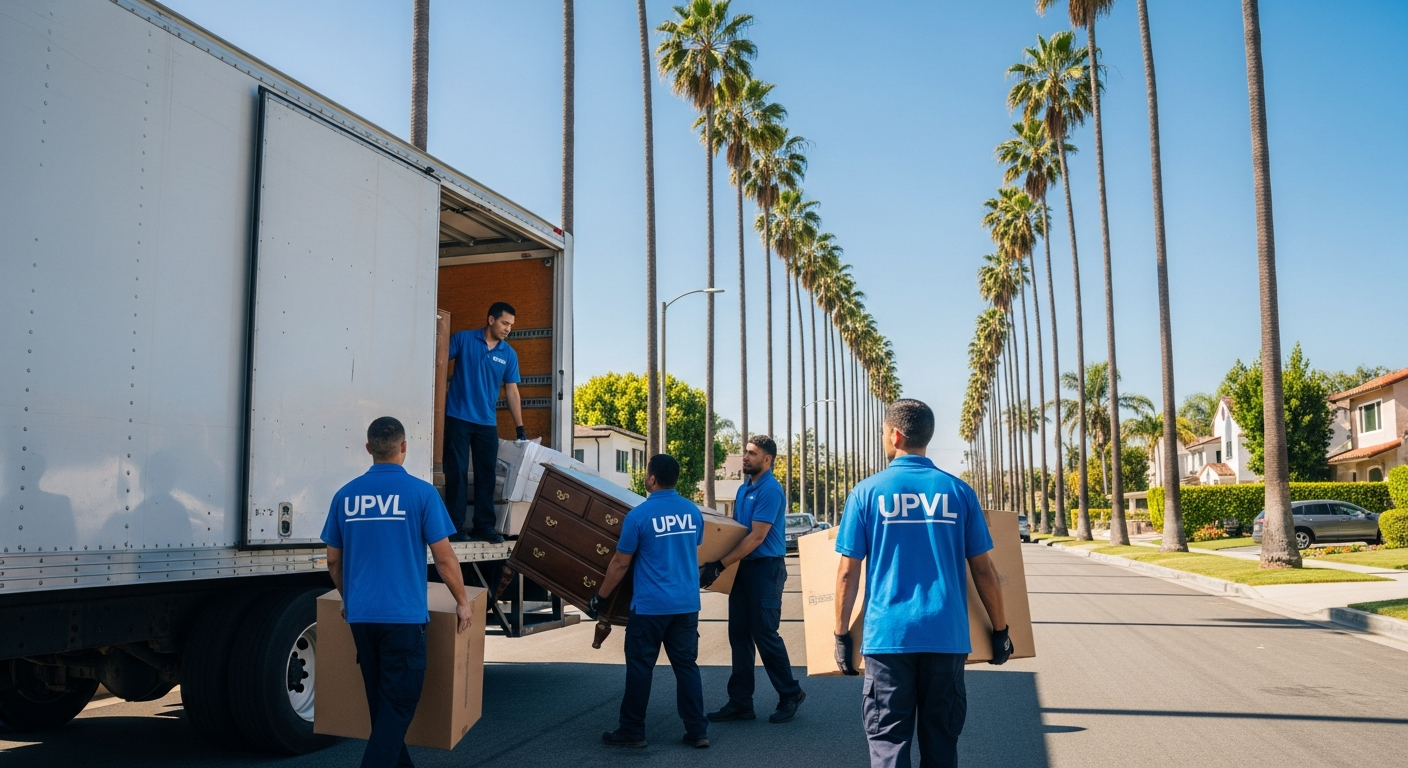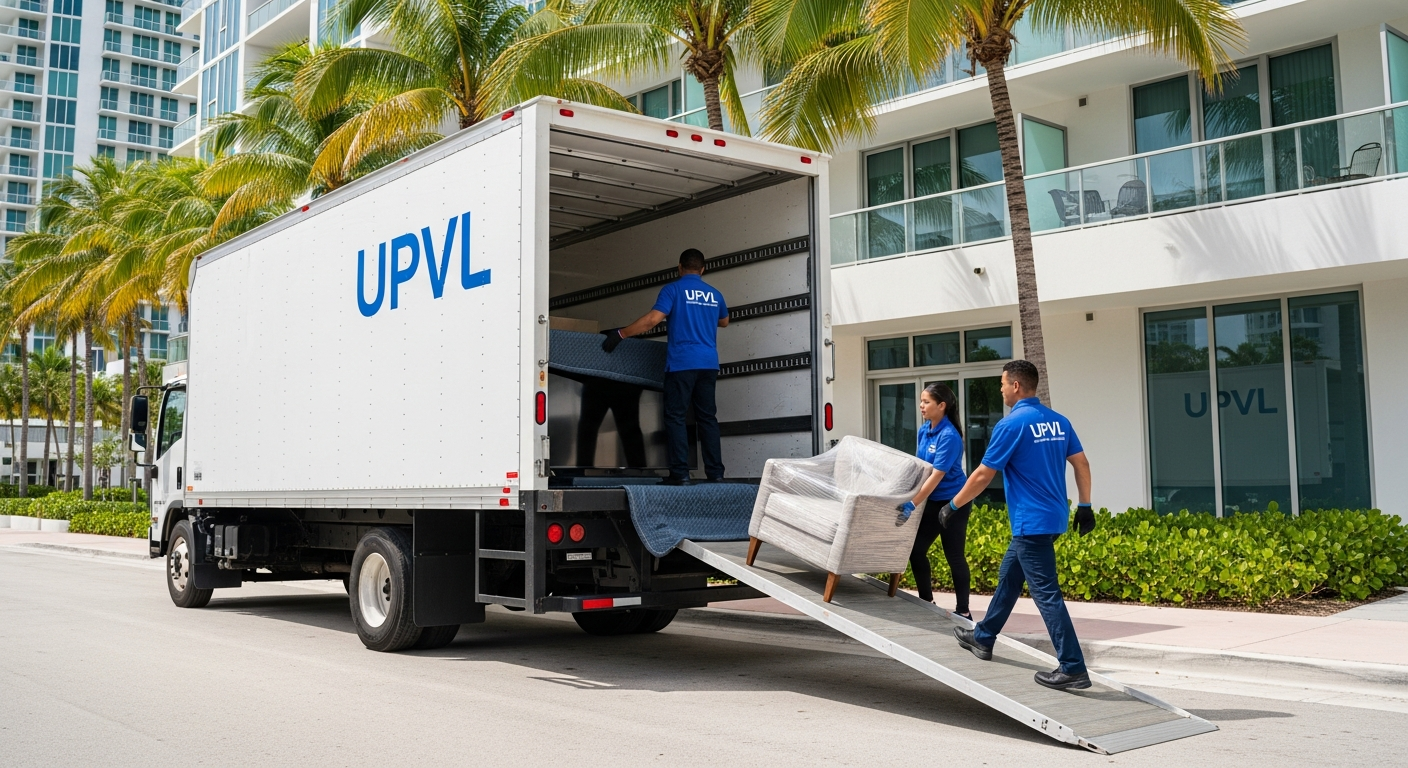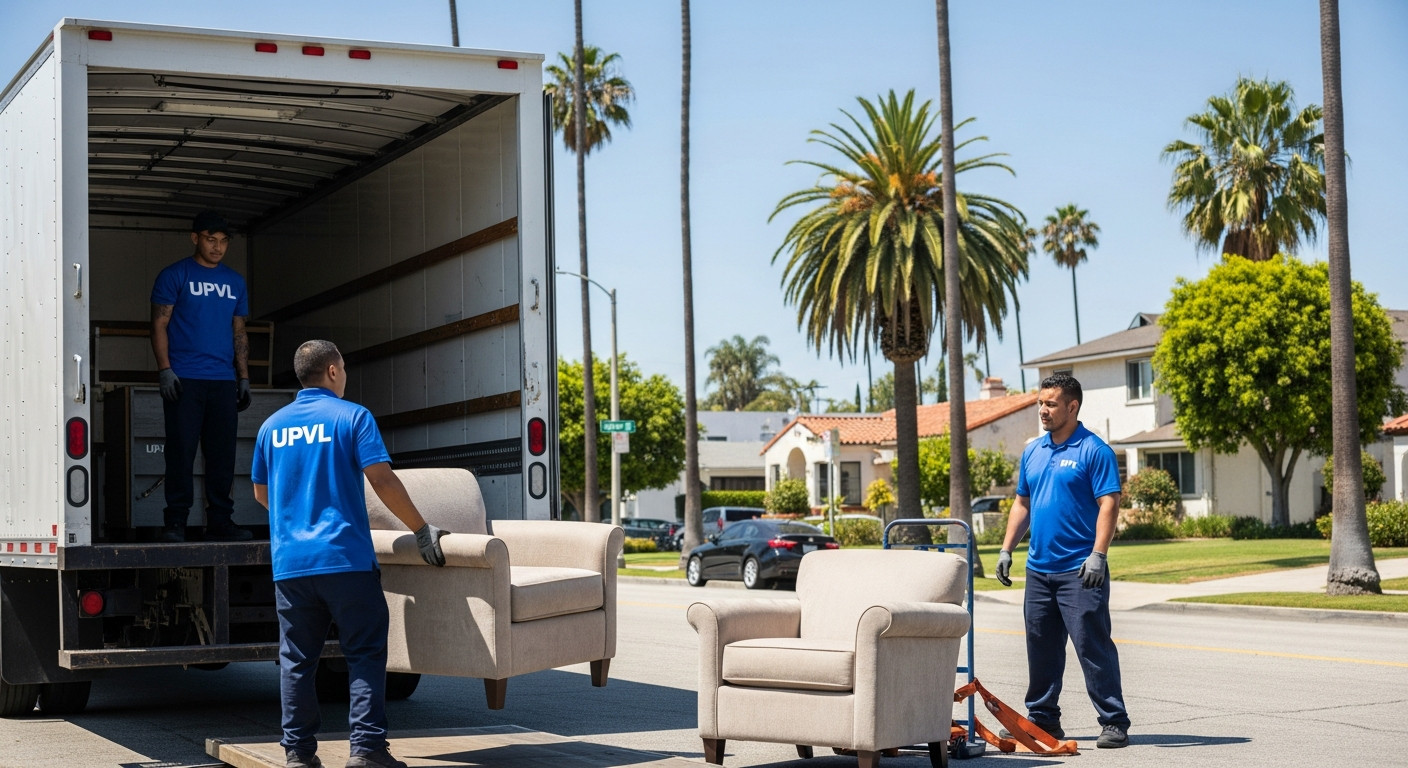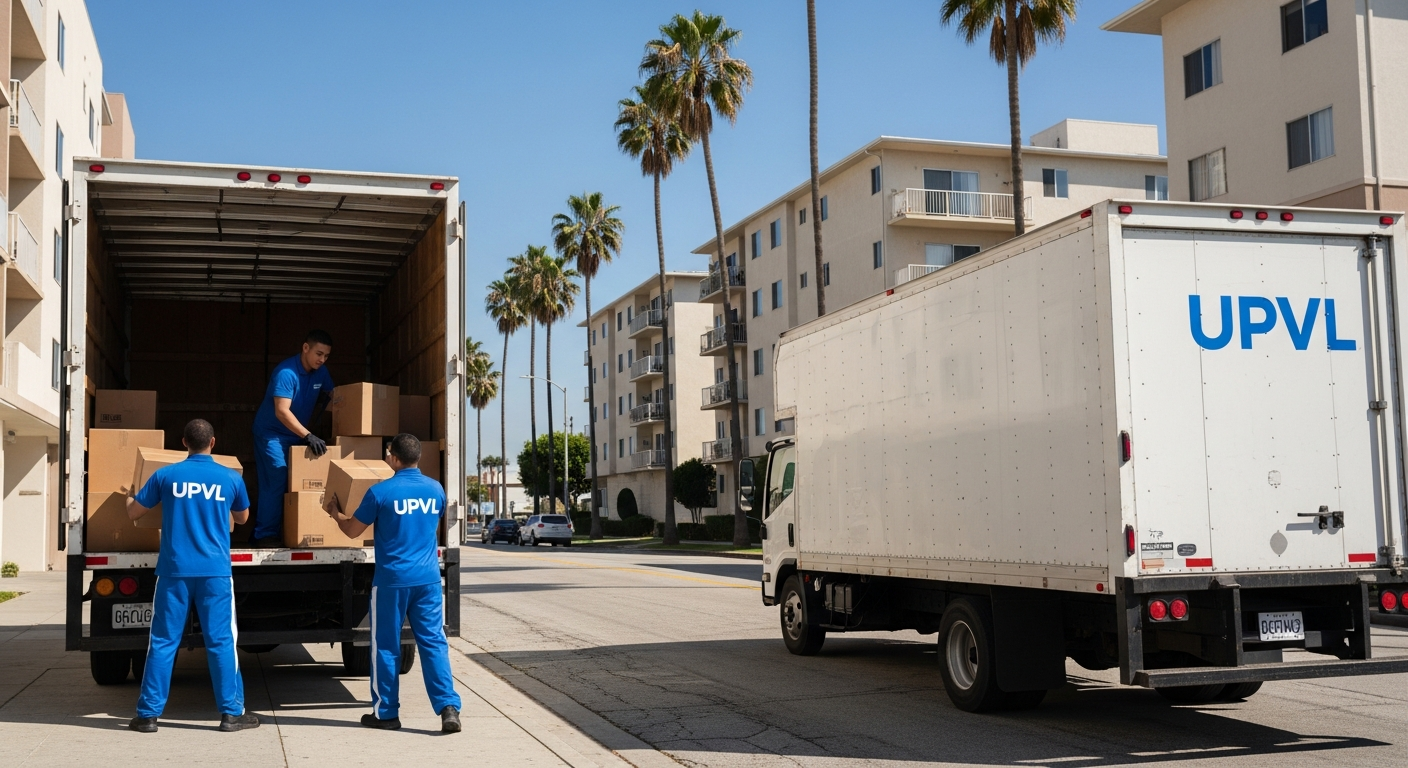
Finding the right local moving company LA residents can trust is the difference between a smooth move and an exhausting, expensive day. In Greater Los Angeles, everything from traffic and parking to stairs and elevators affects how long your move takes and how much it costs. Understanding how local moving works in LA helps you plan better, protect your budget, and avoid last-minute stress.
Local moving services Los Angeles residents rely on have to be built around the city itself. Los Angeles is spread out, traffic is intense, and every neighborhood—from Downtown and Hollywood to Santa Monica, the Valley, and the South Bay—has its own quirks. That means a move that looks simple on paper can become complicated if your mover does not plan for LA-specific conditions.
Here are a few realities local movers need to manage every day:
An experienced local moving company LA residents trust will ask detailed questions about your addresses, building rules, parking, stairs, and timing before giving you an estimate. If a mover seems casual about these details, your move is more likely to run long—and your hourly bill higher.
Most local moving services Los Angeles wide are billed by the hour, but for certain jobs you may be offered a flat rate. Understanding how both work helps you choose what makes sense for your situation.
Local apartment and house moves inside the Los Angeles metro area are usually charged by the hour with a minimum number of hours (often 3–4). The hourly rate depends on how many movers you need and sometimes the size of the truck.
Hourly moves are straightforward: you pay for the total time from when the crew starts until the job is complete, plus any travel or fuel fee the company charges. In LA, heavy traffic, stairs, and parking limitations all affect how long your move will take.
Some movers offer flat-rate pricing for clearly defined jobs, for example:
With flat rates, the mover estimates the number of hours and then sets a fixed price, often based on:
Flat rates can protect you from surprises due to minor delays, but if conditions change—extra items, new stops, or major access issues—the mover may have the right to adjust the price. Always get the conditions of any flat-rate quote in writing.
For many local moves in Los Angeles, a transparent hourly rate with a realistic time estimate works best, especially when there are unknowns about parking or traffic. A flat rate can be helpful when:
Ask your mover to explain both options and walk you through a realistic best case and worst case for your move time. A trustworthy company like United Prime Van Lines in Los Angeles will be clear about how local pricing works and what can affect your total.
Apartment movers Los Angeles residents hire deal with high-rises, garden-style complexes, older walk-ups, and everything in between. In many LA apartment moves, building rules are just as important as the boxes you pack.
Most mid-rise and high-rise buildings in neighborhoods like Downtown LA, Koreatown, Warner Center, and Hollywood require elevator reservations. You may be given a specific time window (for example, 9 a.m.–1 p.m.) and asked to protect the elevator with pads and floor coverings.
To avoid delays and fees:
Stairs are common in LA walk-ups, duplexes, and older apartment buildings, especially in neighborhoods like Westlake, Hollywood, and certain parts of the Valley. Stairs and long carrying distances significantly affect move time, which can change your final hourly cost.
Many LA condos and managed apartment buildings require a Certificate of Insurance from your mover before they allow any work. This protects the building in case of damage to common areas. Requirements are often found in your lease packet or building handbook.
To avoid last-minute issues:
Licensed movers operating across LA should be registered with the California Public Utilities Commission or relevant local agencies and carry the required liability and workers\' compensation coverage. You can also check interstate-related licensing through the Federal Motor Carrier Safety Administration (FMCSA) if your move crosses state lines.
House movers Los Angeles residents hire deal with a different set of challenges than apartment movers. Driveways, hills, narrow streets, and property layouts all play into planning and day-of execution.
Los Angeles County includes suburban-style neighborhoods like Chatsworth and the Valley, hilly and canyon areas like Hollywood Hills and Laurel Canyon, and tighter urban neighborhoods near Downtown. Each has unique access issues.
To keep your local house move efficient:
Companies like United Prime Van Lines\' house moving services can also include furniture disassembly and reassembly so your beds and key items are ready the first night.
A small move Los Angeles residents might schedule can be anything from a studio apartment to a few pieces of furniture, or even just one heavy specialty item like a piano or gym equipment. Many people assume professional movers will not take small moves, but a lot of local companies offer tailored options.
In the LA market, a "small move" typically includes:
Because most movers charge an hourly minimum, your goal is to keep the total time low:
If you have only a few boxes and very light furniture, a DIY move may still be cost-effective. But for anything heavy, fragile, or up and down stairs, professional movers reduce the risk of damage or injury.

Traffic is the single biggest wild card for local moving services Los Angeles wide. Even short distances can take a long time at the wrong hour, which affects your hourly cost and your stress level. Smart traffic planning is one of the best ways to control your budget.
Los Angeles is known for its congestion on major freeways. While conditions vary by corridor and day, weekday rush hours usually fall into these windows:
Traffic patterns can change due to construction, weather, or incidents. Caltrans and local agencies publish traffic information that helps movers plan routes, but some delays are still unavoidable. When scheduling your move, aim for:
On a local hourly move, you pay for travel time between locations. That means unexpected freeway backups or surface-street congestion can increase your total. To manage expectations, ask your mover:
A professional dispatcher will look at your origin and destination, the likely route, and typical traffic at your preferred time to suggest the best window. In some cases, starting earlier or a little later can shave off both time and stress.
*These are general patterns; real-time conditions vary. Always confirm timing with your mover based on up-to-date traffic information.
Special events, marathons, film shoots, and sports games can close streets or gridlock entire areas. Before choosing your date, check:
An experienced local moving company LA residents trust will often know about recurring events and suggest adjustments. If you must move on a high-traffic event day, build in extra time and consider an early morning start.
Parking is one of the biggest practical issues in Los Angeles moving. Where the truck can park—and how close it is to the entrance—has a huge impact on how long your move takes.
Many LA streets have restricted parking, especially in busy neighborhoods. Common issues include:
Parking tickets, towing, or forced relocations can derail your schedule. Whenever possible:
Many condos, office buildings, and gated communities have their own procedures:
Share all of this information with your mover early, ideally when you first request an estimate. That way, they can confirm truck size, plan loading dock time, and avoid delays at security checkpoints.
Packing is usually the most time-consuming part of a local move. The more prepared you are, the shorter your move and the lower your hourly cost.
Companies like United Prime Van Lines\' full packing services can handle everything from standard boxes to specialty crating for art, electronics, and antiques. For many LA families, a hybrid approach—self-packing most items and having movers handle fragile or bulky pieces—is the best balance of cost and protection.
Label boxes on multiple sides with room names and brief contents (e.g., "Kitchen – Glasses"), and mark anything fragile clearly so movers can stack it correctly.
Every move is different, but the same core factors drive local moving costs in Los Angeles. Understanding them helps you ask better questions and compare estimates accurately.
When you request quotes, try to give each moving company the same information so you can compare apples to apples. Ask each company to confirm:
For complex or larger homes, an in-home or video survey produces more accurate estimates than a quick phone call. A company that takes the time to ask detailed questions is more likely to respect your time and budget on moving day.
Use this condensed checklist to stay organized. Adjust timing based on how much you\'re moving and how far in advance you can plan.
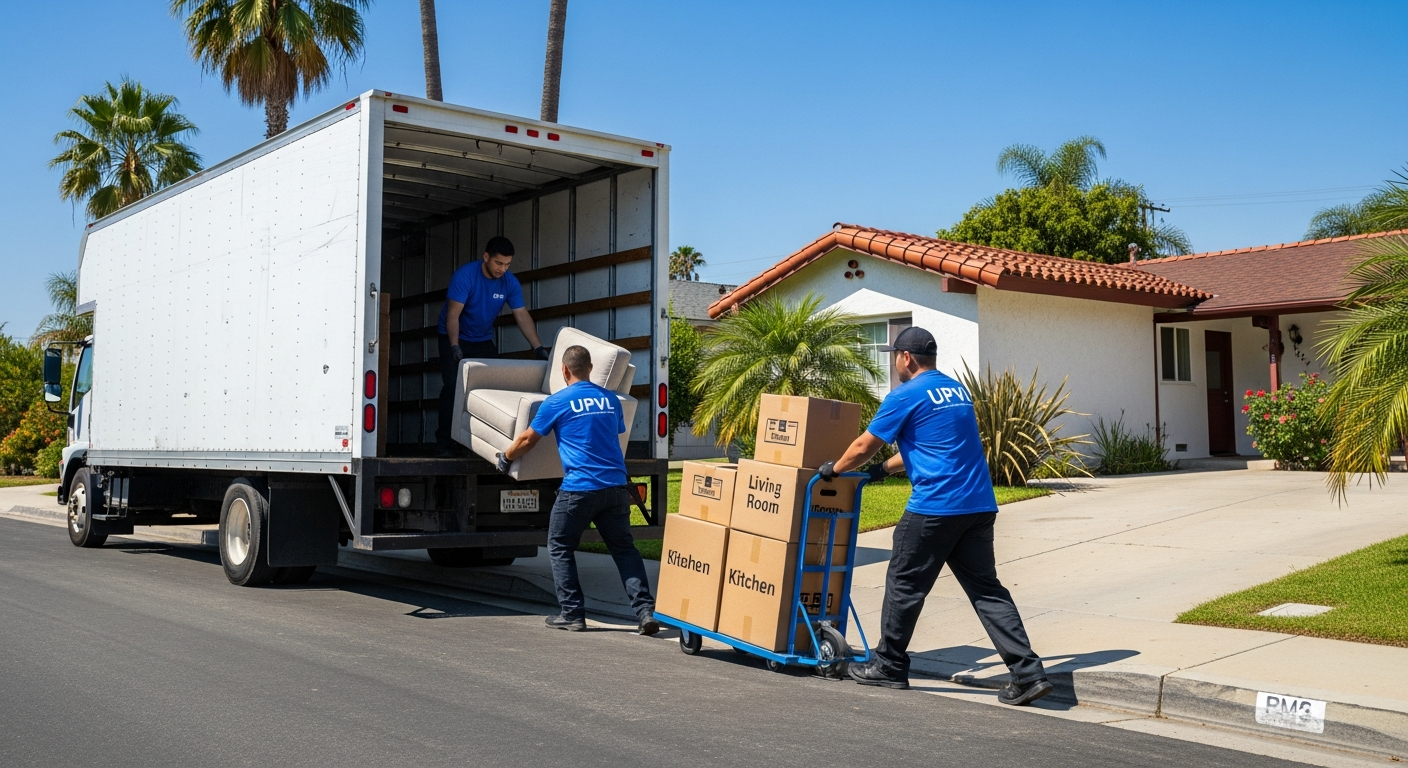
Most local movers in LA charge an hourly rate that includes a certain number of movers and at least one truck. Time usually starts when the crew arrives at your home and ends when the job is finished, although some companies build in a set amount of travel time. You will typically see a minimum number of hours (for example, 3 or 4-hour minimum). The more efficient the access, packing, and parking, the less total time you\'ll pay for.
Often, yes. A crew of three movers at a slightly higher hourly rate can finish many apartment and small house moves faster than two movers, especially if there are stairs, long walks, or heavy furniture. The total number of hours matters more than the hourly rate by itself. Ask the mover to explain which crew size they recommend for your home and why.
Policies vary by company. Some movers build the time impact of stairs into the hourly rate and simply explain that stairs will slow the job down. Others may charge a separate fee if there are many flights or unusually difficult access. When you request an estimate, always describe the exact number of floors, whether there\'s an elevator, and how far the walk is from the truck to your door. That way there are no surprises on moving day.
Movers will usually use whichever option is faster and safer for the specific items they\'re carrying. Elevators are ideal for large loads, but if there are long waits or shared use with residents, your crew may mix elevator runs with some stair carries. Tell your mover in advance how your building handles elevator reservations, whether there\'s a freight elevator, and if there are any restrictions on when moves can take place.
In most Los Angeles neighborhoods, the customer is responsible for arranging legal parking or at least explaining what\'s available. Movers cannot block fire hydrants or park in red zones or private driveways without permission. A good strategy is to park your own car in the best spot the night before and move it when the truck arrives, where this is legal. In denser areas, check if your building has a loading zone or garage that accommodates moving trucks.
Some moving companies can advise you on the process, but many customers arrange permits themselves through the city or building management, depending on the location. Ask your mover what they recommend for your addresses. The important part is to discuss parking early so it can be factored into your schedule and estimate.
On hourly moves, heavy traffic between addresses increases the total time you pay for. If your move requires crossing notoriously congested corridors like the 405, 101, 10, or 5 at peak times, your cost may be higher than for the same distance at off-peak times. When scheduling, ask your mover which start time is most realistic for your specific route and whether they build any standard travel time into your quote.
Movers generally cannot control traffic conditions, so extra drive time due to incidents or closures is usually still billable under the hourly rate. However, experienced dispatchers will monitor conditions on the day of your move and may choose alternative routes when safe and practical. Planning your date and start time with traffic in mind reduces the chances of serious delays.
For most local moves, 3–4 weeks\' notice is a comfortable window, especially if you want a weekend or month-end date. During peak seasons—summer months, end of school years, and end of the month—schedules book up faster. If you have an elevator reservation or building time window, secure your moving company as soon as those details are set.
Reputable movers should clearly list their license information and proof of insurance on their website or in your estimate paperwork. You can request a Certificate of Insurance (COI) for your building and confirm license details with state and federal agencies. For moves that cross state lines, the Federal Motor Carrier Safety Administration (FMCSA) provides a public database you can search. For local moves within California, companies must comply with state-level moving regulations and carry proper insurance.
You might need short-term storage if your move-out and move-in dates do not line up, if you are doing renovations, or if you are downsizing and want time to decide what to keep. Many movers offer local storage options so your items stay in the same system from pickup to final delivery. If you think you might need storage, mention it when you request your quote so the company can design the right plan.
United Prime Van Lines provides local moving services throughout Greater Los Angeles, including apartments, homes, and small moves. The company can assist with packing, furniture protection, and planning around parking, stairs, and traffic. For local service in the LA area, you can visit the Chatsworth service location at:
Moving services - United Prime Van Lines21350 Lassen St, Chatsworth, CA 91311, United StatesPhone: +1 888-807-5399
Always request a written estimate, discuss your inventory and access details, and confirm licensing and coverage so your move is planned clearly from the start.